
Selling a House With Foundation Issues in Texas
Updated October 2026 by Sherien Joyner, Carrollton REALTOR®, GRI
A cracked slab or a sticking door can make a sale feel impossible. It is not. Foundation movement is common in North Texas because much of our region sits on expansive clay soil that swells when wet and shrinks when dry — I explain the causes and warning signs in my guide to foundation issues in North DFW homes.
This page is for sellers: how to handle foundation problems so they cost you as little as possible. I am a Carrollton REALTOR® and work across North DFW, including Plano, Allen, McKinney, Frisco, Lewisville, and Coppell.
At a glance
- Start with a licensed structural engineer’s report.
- Texas sellers must disclose known foundation defects and past repairs.
- Repair, credit, or sell as-is: compare what each one nets.
On this page
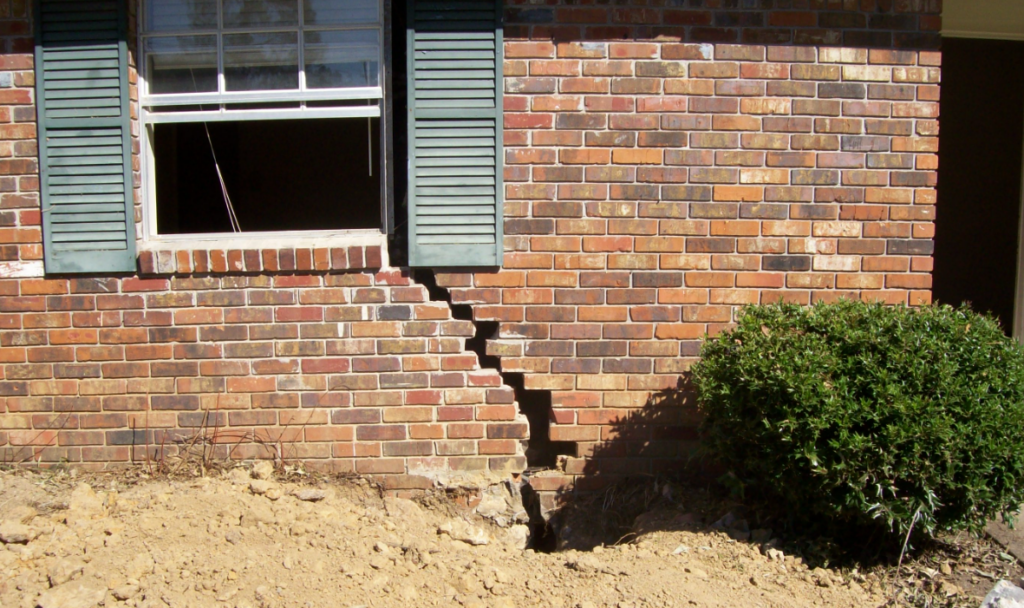
Step 1: Replace guesses with an engineer's report
Buyers discount the unknown more than the problem. The fastest way to shrink the unknown is a written evaluation from a licensed structural engineer — not just a repair company’s sales estimate.
- A Texas professional engineer’s license can be checked on the Texas Board of Professional Engineers and Land Surveyors roster.
- The report should describe what is moving, whether it is active, and what (if anything) needs repair.
- If repair is recommended, get two or three bids based on the engineer’s plan, not the other way around.
Permits: in Carrollton, residential foundation repair requires a building permit, and the repair must be designed by a Texas-registered professional engineer whose sealed plans show the pier design and locations (City of Carrollton, foundation repair). Other cities set their own rules, so check with your city’s building inspection office — and keep the permit and final inspection with your sale documents.
Download My Sellers Guide
I have put together a comprehensive home seller’s guide just for you.

Step 2: Know what Texas requires you to disclose
For most single-family sales, Texas sellers must give buyers a Seller’s Disclosure Notice (Texas Property Code §5.008; TREC form). It asks whether you are aware of:
- defects or malfunctions in the foundation or slab, walls, floors, and other structural components
- previous structural or roof repair
- settling, soil movement, or improper drainage
If you know about it, disclose it — even if it was repaired and even if you sell as-is. A clear disclosure backed by an engineer’s report and a repair warranty reads as “handled.” A vague one, or a surprise during inspection, reads as “what else is wrong?”
Have a question about your own situation? Call or text (214) 244-2421, or send me a note. I will walk you through it.
Step 3: Choose your path — repair, credit, or as-is
Option A: Repair before listing
Often the best choice when: the engineer recommends a defined repair and the house is otherwise in good shape.
- Ask whether the repair company’s warranty transfers to the next owner, and get it in writing.
- Keep the engineer’s report, the repair plan, any permit, and a post-repair evaluation. These become listing documents.
- Address the cosmetic follow-up (patched cracks, doors that close) so the house shows repaired.
Option B: Sell with a repair credit or price adjustment
Often the best choice when: you do not have time or cash to manage repairs, but the issue is well defined.
- With an engineer’s report and bids in hand, a buyer can price the repair instead of imagining the worst.
- Some buyers prefer to choose their own contractor. Their lender may have rules about credits, so we structure it with the buyer’s agent and lender early.
Option C: Sell as-is
Often the best choice when: the repair is large, the house needs other major work, or the timeline is short.
- You can list as-is on the MLS or sell to a cash buyer. Compare the net on both — see selling a house as-is in Carrollton and how much you lose selling as-is.
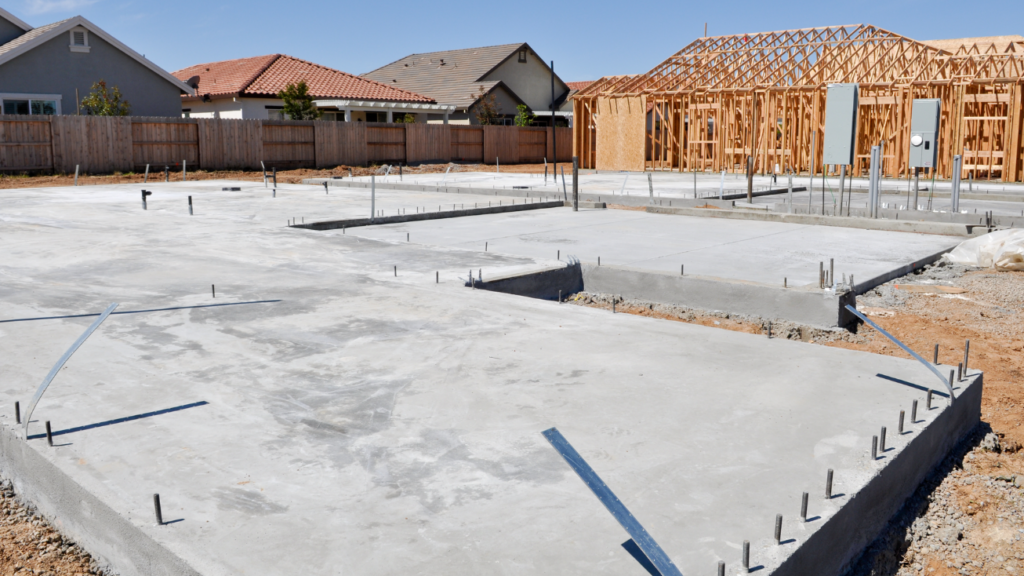
How foundation issues affect your buyer's loan
Many buyers use a mortgage, and the property has to satisfy the lender and appraiser. FHA, for example, sets minimum property requirements for safety, security, and soundness (HUD Single Family Housing Policy Handbook 4000.1). An active structural problem flagged by an appraiser can delay or derail a financed sale. Repairing first, or having a clear engineer’s letter, keeps more buyers — and more loan types — in play.
What a good foundation listing includes
- A plain-language summary in the disclosure and the listing remarks
- The engineer’s report and any post-repair letter, available to buyers who ask
- The repair warranty and whether it transfers
- Pricing built from comps with similar repair histories, when available
That approach turns “foundation issue” from a deal-breaker into a known, priced item.
Local notes from North DFW
- Carrollton and Farmers Branch: many homes were built decades ago on clay soil, so buyers and inspectors expect to look closely at the slab. Good paperwork matters more than a perfect floor.
- Plano, Allen, McKinney, and Frisco: in newer subdivisions, buyers may compare your home with new construction that comes with a builder warranty. A transferable repair warranty narrows that gap.
- Everywhere: water management — gutters, downspouts, and grading — is part of the conversation. My October 2026 Carrollton market update includes a simple fall checklist for keeping water away from the foundation.
Get a plan before you decide
Send me the address and any engineer report or repair paperwork. I will tell you whether to repair, credit, or sell as-is, and what each option likely nets.
Call or text (214) 244-2421.
Foundation issues FAQ
Can I sell a house with foundation problems in Texas?
Yes. You can repair first, offer a credit or price adjustment, or sell as-is. In most single-family sales you must disclose known foundation defects and previous structural repairs on the Seller’s Disclosure Notice.
Do I have to disclose a foundation repair that was already fixed?
The Texas Seller’s Disclosure Notice asks about previous structural repairs, so yes if you know about it. Repair records and a transferable warranty usually reassure buyers.
Should I fix the foundation before selling?
It depends on the engineer’s findings, the cost, your timeline, and the rest of the house. A defined repair with a transferable warranty often pays off; a large repair on a house that needs other work may be better priced as-is.
Will a buyer's lender approve a house with foundation issues?
It depends on the loan and the appraiser’s findings. FHA and other programs set property condition standards, so an active structural problem can hold up financing. Repair or an engineer’s letter helps.
What should I get before listing a home with foundation movement?
A structural engineer’s report, repair bids if recommended, and any past repair paperwork and warranty. These let buyers price the issue instead of guessing.